
Should You Use a Tee on a Par 3? The Jack Nicklaus Advice That Can Help
Should you use a tee on a par 3, even when hitting an iron? In most situations, the answer is yes. Discover why Jack Nicklaus and launch monitor tests agree.
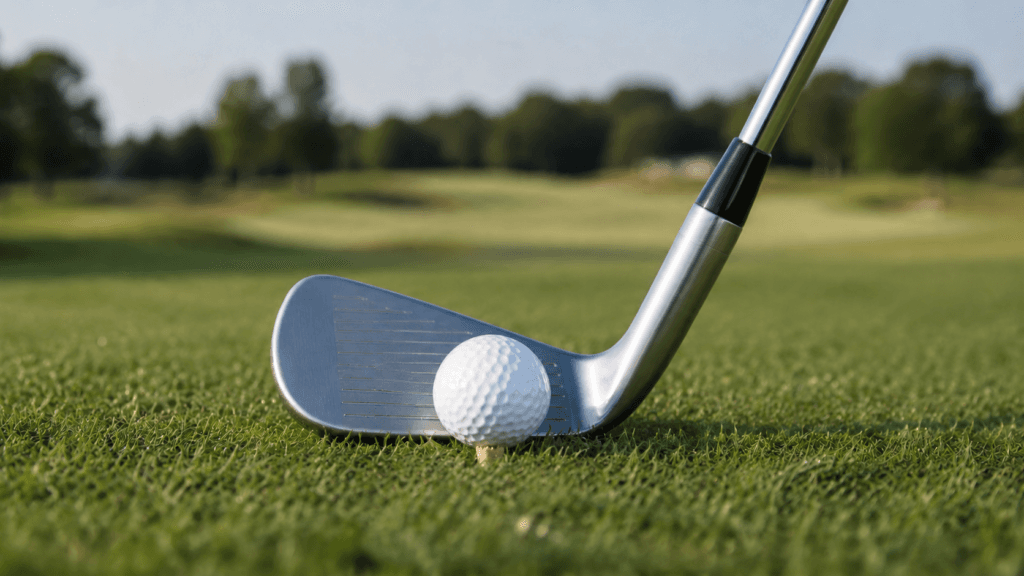
Learning should you use a tee on a par 3 can make your setup more consistent, especially if you struggle with uneven lies or heavy iron shots.
I have played par 3s both ways over the years. Sometimes I use a broken tee pushed almost completely into the ground. Other times, especially when the tee box looks perfect, I place the ball directly on the grass.
I used to think hitting from the ground made it easier to judge my normal iron distances. Over time, however, I noticed that I mishit the ball more often from the turf than I did from a low tee. Both methods can work, but using a tee gives you one advantage that is hard to ignore: you get to create the lie you want.
Watch golfers on any par-3 tee box, and you will see both approaches. Some golfers carefully tee the ball just above the grass. Others place it directly on the ground because they want the shot to feel like a normal approach from the fairway.
Does that tiny bit of elevation really make a difference? Here is what recent testing and one of golf’s most famous pieces of advice suggest.
The Jack Nicklaus Advice: Take the Better Lie
A well-known piece of advice attributed to Jack Nicklaus is that golfers should use a tee whenever the rules allow because air offers less resistance than the ground.
"Air offers less resistance than the ground."
— Jack Nicklaus, 18-Time Major Champion
Although different versions of this advice have circulated over the years, the reasoning makes sense. The teeing area is the only place on a hole where you can legally use a tee to create an almost perfect lie.
Why pass up that opportunity?
According to USGA Rule 6.2, you may play the ball from a tee or directly from the ground when starting a hole. You may even use a broken or abandoned tee left behind by another golfer.
Even well-maintained par-3 tee boxes can be uneven or covered with old divots. A low tee lets you avoid those damaged areas and place the ball at a consistent height every time.
You do not need to tee the ball noticeably into the air. With an iron, the goal is simply to create the cleanest fairway lie possible.
When deciding should you use a tee on a par 3, remember that the goal is not to launch the ball like a driver. You are simply giving yourself a cleaner lie.
Should You Use a Tee on a Par 3 for Better Contact?
Using a tee will not automatically add distance to an iron shot. However, it may help you make cleaner contact and produce more consistent launch conditions.
In a recent comparison of iron shots hit from the turf and a low tee, MyGolfSpy found that the teed shots did not carry farther. They did, however, produce approximately 200 rpm more backspin, along with a slightly higher flight and steeper landing angle.
That combination may help an approach shot stop sooner after landing, especially when the greens are firm. You can read the complete MyGolfSpy tee-versus-turf test for its testing process and results.
A low tee can also give you a little more margin for error. It will not prevent every fat or thin shot, but it provides a clean, repeatable lie with less grass between the ball and clubface.
| Potential Advantage | Why It May Help |
|---|---|
| Cleaner contact | A low tee keeps the ball slightly above damaged or uneven turf. |
| More consistent lie | You can position the ball at nearly the same height on every par 3. |
| Reliable spin | Less grass between the clubface and ball may help preserve spin. |
| Easier setup | You do not have to search for a perfect patch of grass on a worn tee box. |
The advantage may be small, but golf is a game in which small advantages can make a difference.
Can You Still Hit a Fat Shot When Using a Tee?
Yes. A tee does not fix poor contact.
If your club hits the ground several inches behind the ball, you will probably still hit a heavy shot. The tee simply provides a cleaner lie and a little extra room beneath the ball.
You should still make your normal iron swing and strike the ball with a descending blow. Do not try to help the ball into the air just because it is sitting on a tee.
How High Should You Tee an Iron on a Par 3?
One of the most common mistakes is teeing an iron too high.
If too much of the tee is showing, you may strike the ball high on the clubface. This can produce a weak shot that launches higher than expected and comes up short.
The answer to should you use a tee on a par 3 also depends on how high you position the ball. The longer the club, the more room you can generally leave between the ball and the turf.
Here is a simple starting point:
These are starting points rather than strict measurements. The right height depends on your club, swing and preferred ball flight. I use these general tee heights because they give me a consistent setup without making me change my normal swing.
When Should You Hit Directly From the Turf?
Using a tee is usually the safer option, but it is not mandatory.
If you are still wondering should you use a tee on a par 3, consider the condition of the tee box and the type of shot you want to play.
Some golfers feel more comfortable hitting an iron directly from a good patch of grass. Playing from the turf may also make sense when you want to flight the ball lower into the wind and already know how that shot reacts.
The downside is that you give up some control over the lie. If the tee box is wet, uneven or filled with divots, using a low tee is usually the more practical choice.
Should You Use a Tee on a Par 3? The Par Practical Verdict
Most golfers should use a low tee on a par 3.
It will not repair your swing or guarantee that you hit the green. What it does is provide a clean, repeatable lie without requiring you to change the iron swing you normally make from the fairway.
Push a broken tee almost flush with the ground, make your regular swing and take advantage of that small additional margin for error. There is very little downside as long as you do not tee the ball too high.
Stop Paying Full Price for Golf Gear!
Don't buy golf gear at retail. Join our private Par Practical Golf: Gear, Deals & Budget Tips Group on Facebook where we hunt down daily clearance sales, pre-owned gear drops, and exclusive flash discounts on clubs, balls, and tech so you don't have to.